Eye Dieasese & Treatment
- Home
- Eye Dieasese & Treatment
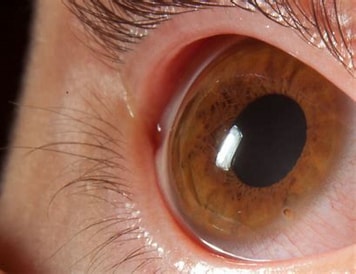
Corneal disorders are conditions that affect the cornea, the clear front surface of the eye, leading to blurred vision, pain, or light sensitivity. The cornea plays a key role in focusing light onto the retina, so damage can affect vision significantly.
1. Corneal Transplant (Keratoplasty) Penetrating Keratoplasty (PK) – full-thickness cornea transplant Lamellar Keratoplasty (Partial Thickness) – replaces only damaged layers Used for keratoconus, corneal scarring, Fuchs’ dystrophy, or ulcers 2. Phototherapeutic Keratectomy (PTK) Uses excimer laser to remove scar tissue or irregularities Improves vision in conditions like corneal dystrophies or superficial scars 3. Corneal Cross-Linking (CXL) Strengthens corneal tissue in keratoconus Slows or stops progression of corneal thinning and bulging 4. Artificial Cornea (Keratoprosthesis) Used in severe corneal damage when traditional transplant is not possible Replaces the damaged cornea with a synthetic implant 5. Amniotic Membrane Transplant Used for persistent corneal ulcers or severe epithelial defects Promotes healing and reduces inflammation
Antibiotics – for bacterial infections
Antivirals – for viral keratitis (e.g., herpes simplex)
Antifungals – for fungal infections
Anti-inflammatory eye drops – reduce swelling and pain
Lubricating drops/artificial tears – for dryness or minor irritation
Specialized contact lenses (scleral or rigid gas-permeable) for keratoconus or irregular corneas
Protects the cornea and improves vision quality
Corneal transplant (keratoplasty) – full or partial thickness
Phototherapeutic keratectomy (PTK) – laser to remove superficial scars
Corneal cross-linking (CXL) – strengthens cornea in keratoconus
Amniotic membrane transplant – promotes healing in severe ulcers
Keratoprosthesis (artificial cornea) – for cases unsuitable for traditional transplant
Avoid eye rubbing or trauma
Wear protective eyewear
Maintain good contact lens hygiene