Eye Dieasese & Treatment
- Home
- Eye Dieasese & Treatment
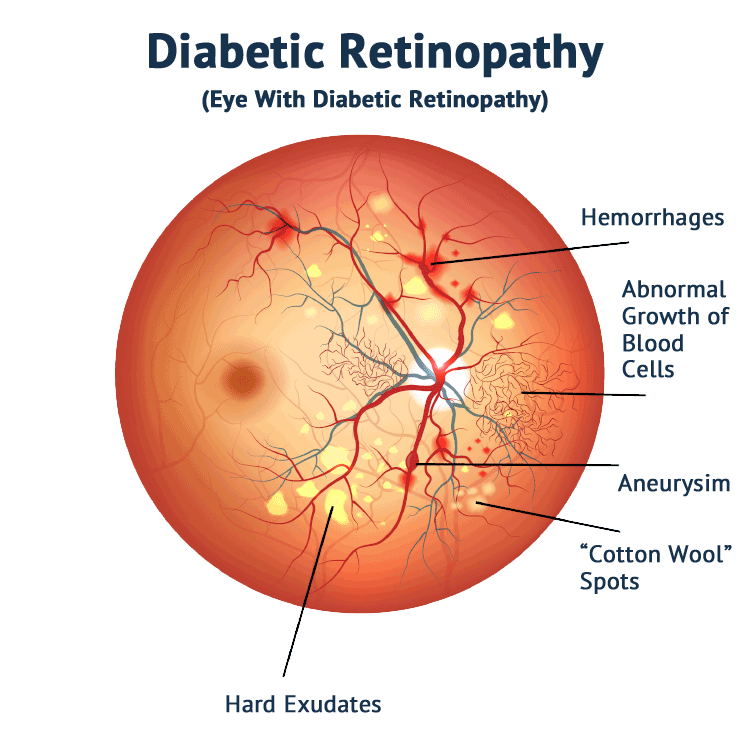
Diabetic retinopathy is an eye disease caused by long-term diabetes, which damages the blood vessels in the retina. This can lead to vision impairment or blindness if untreated.
1. Vitrectomy Most common surgical procedure for advanced diabetic retinopathy Removes vitreous gel filled with blood or scar tissue Helps reattach the retina if detached Improves vision in cases of vitreous hemorrhage or tractional retinal detachment 2. Retinal Laser Surgery (Panretinal Photocoagulation) Uses laser to seal leaking blood vessels Prevents growth of abnormal new vessels (neovascularization) Can reduce risk of severe vision loss 3. Anti-VEGF Injections (Adjunct Therapy) Medications like ranibizumab, bevacizumab, aflibercept Reduce abnormal blood vessel growth Can be combined with surgery or laser treatment for better results 4. Scleral Buckling (Rarely Used) In cases of retinal detachment, a silicone band is placed around the eye Helps push the retina back against the eye wall Recovery and Care Post-surgery eye drops and medications to prevent infection Follow-up exams to monitor healing and vision Maintain blood sugar, blood pressure, and cholesterol control
Control blood sugar, blood pressure, and cholesterol
Maintain a healthy diet and exercise
Regular eye exams to detect early changes
Anti-VEGF injections (e.g., ranibizumab, bevacizumab, aflibercept)
Reduce growth of abnormal blood vessels
Decrease retinal swelling
Steroid injections – reduce inflammation in some cases
Focal laser photocoagulation – seals leaking blood vessels
Panretinal photocoagulation (PRP) – prevents new abnormal vessels from forming
Vitrectomy – removes blood and scar tissue from the vitreous
Scleral buckling – used in cases of retinal detachment (rare)
Regular retinal exams
Monitor vision and retinal health
Continue diabetes management to prevent recurrence